
Key Takeaways
- An HRIS centralises all employee data and HR processes into one digital system, replacing spreadsheets and manual processes.
- Modern HRIS platforms in 2026 include AI-powered analytics, automated compliance, and employee self-service portals.
- Companies with an HRIS reduce HR administrative time by 40-60% and improve data accuracy significantly.
- The best HRIS platforms integrate with recruitment and communication tools - or include them natively like Alexia.ai.
HRIS Defined: What It Is and Why It Matters
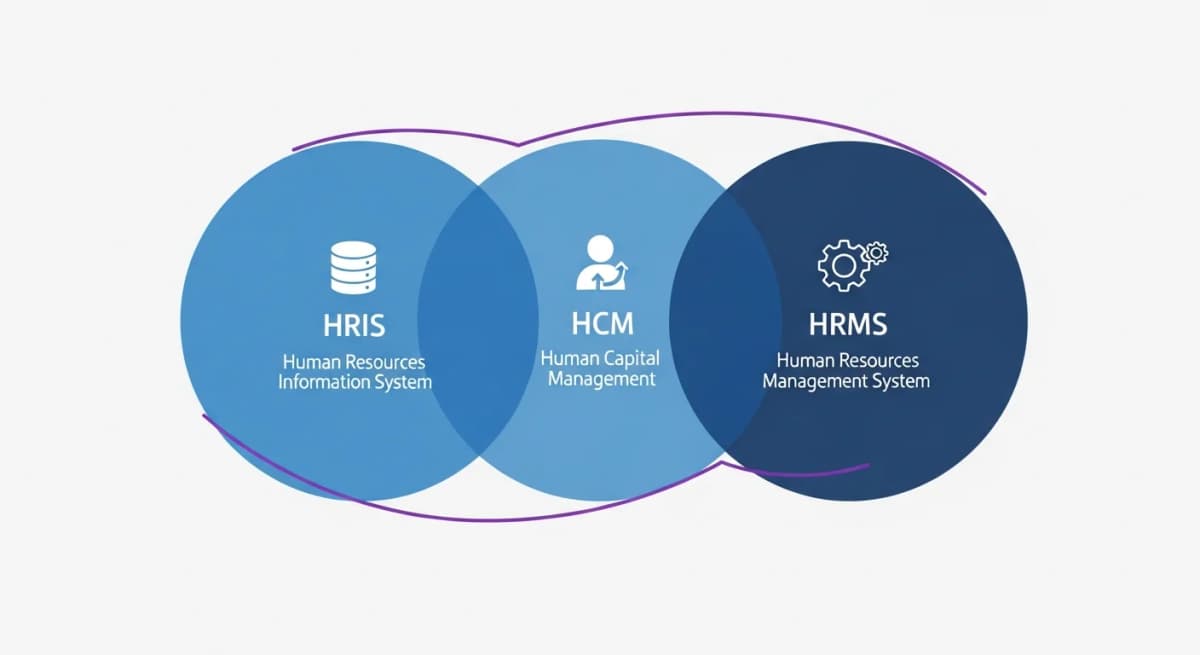
An HRIS (Human Resource Information System) is software that centralises employee data and automates HR processes. Think of it as the operating system for your people operations - it stores employee records, manages time-off, tracks performance, handles compliance, and provides analytics.
Before HRIS, companies managed employee information across spreadsheets, filing cabinets, and individual managers' notebooks. This approach breaks at scale - data gets lost, compliance gets missed, and HR teams spend more time on administration than on strategic work.
In 2026, modern HRIS platforms go far beyond basic record-keeping. They use AI to predict turnover, automate compliance monitoring, generate performance insights, and integrate with every other tool in your business technology stack.
Core HRIS Features
Every HRIS should include these fundamental capabilities:
Employee Records Management - Centralised profiles with personal information, employment history, compensation, emergency contacts, and documents. This is the foundation everything else builds on.
Time-Off Management - Leave requests, approvals, balance tracking, and calendar integration. Automated accrual calculations and policy enforcement.
Organisational Structure - Org charts, department hierarchies, reporting relationships, and team structures that update automatically with personnel changes.
Document Management - Secure storage for employment contracts, tax forms, certifications, policy acknowledgments, and performance reviews.
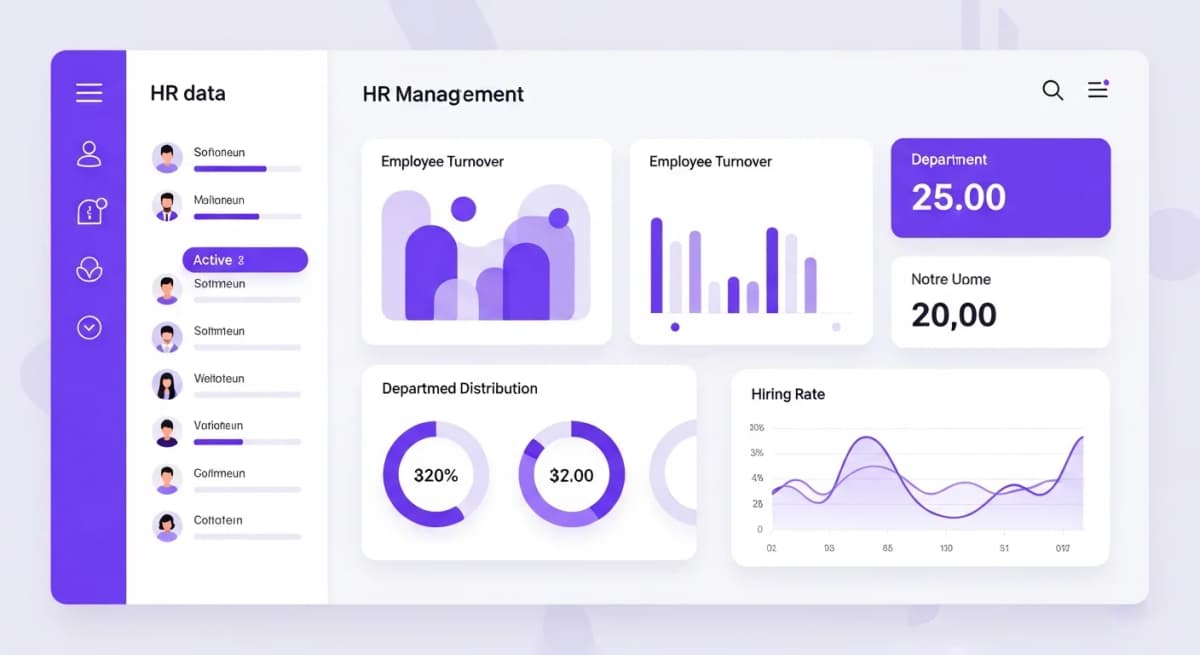
Reporting and Analytics - Headcount reports, turnover analysis, compensation summaries, diversity metrics, and custom dashboards for HR leadership.
Advanced HRIS Capabilities in 2026
Beyond core features, the best HRIS platforms now include:
AI-Powered Insights - Predictive analytics for attrition risk, compensation benchmarking using market data, and automated skills gap analysis. Platforms like Alexia.ai connect HR data to broader business metrics for deeper intelligence.
Performance Management - Continuous feedback, goal tracking with OKR/KPI frameworks, 360-degree reviews, and development planning. This module replaces standalone performance management tools.
Employee Self-Service - Portals where employees update their own information, request time off, access pay stubs, complete training, and find company policies. This reduces HR administrative burden by 40-60%.
Compliance Automation - Automatic tracking of required certifications, visa expirations, mandatory training, and regulatory changes. Alerts when action is needed before deadlines.
Stop reading about AI reporting. Start using it.
See how Alexia.ai automates the exact workflows covered in this article.
Benefits of Implementing an HRIS
Time savings are the most immediate benefit. HR teams using an HRIS spend 40-60% less time on administrative tasks like data entry, leave tracking, and report generation. That time redirects to strategic initiatives - employee engagement, culture building, and organisational development.
Data accuracy improves dramatically when employees manage their own information through self-service portals. No more outdated spreadsheets or conflicting records across different systems.
Compliance confidence increases when certifications, training, and regulatory requirements are tracked automatically with proactive alerts. The cost of a single compliance violation often exceeds the annual cost of an HRIS.
Better decision-making comes from having reliable, real-time workforce data. Turnover trends, compensation analysis, and headcount planning become data-driven rather than gut-feel exercises.
Choosing the Right HRIS Approach
You have three main approaches to HRIS in 2026:
Standalone HRIS - Dedicated HR platforms like BambooHR or Namely. Strong HR depth but require separate tools for recruitment, communication, and other operations.
Payroll-first with HR features - Platforms like Gusto or ADP that add HR capabilities on top of payroll processing. Good for payroll-heavy needs but limited HR depth.
Unified platform with built-in HRIS - Operating platforms like Alexia.ai that include HRIS alongside ATS, collaboration, and AI. Best for companies wanting to minimise tool count and maximise data integration.
The right choice depends on your priorities: if payroll is your main pain point, a payroll-first tool makes sense. If HR administration is the bottleneck, a standalone HRIS works. If you want to streamline your entire people operations across hiring, HR, and collaboration, a unified platform delivers the most value.

About the Author
Simon Lee
Co-Founder, Teamified
Simon Lee is the co-founder and CEO of Teamified, with deep expertise in cloud architecture, fintech, and SaaS platforms. He leads the vision behind Alexia.ai, designing AI-powered solutions that drive operational efficiency and business growth across global teams.
Connect on LinkedInTry Alexia.ai's Built-In HRIS
Complete HR information system included - free for everyone right now during the Launch Offer, then on the Free plan with pay-as-you-go AI usage. See it in action. See the full Launch Offer.