
Key Takeaways
- Growing companies need an HRIS that scales from 10 to 500+ employees without requiring a platform switch.
- The best HRIS systems in 2026 include AI-powered analytics, automated compliance, and self-service portals.
- Integration with recruitment and communication tools is critical - standalone HRIS creates operational silos.
- Alexia.ai includes a full HRIS - free for everyone during the Launch Offer, then included on the Free plan with pay-as-you-go AI usage - eliminating the need for a separate HR software subscription.
Why Growing Companies Need the Right HRIS
When you're growing from 10 to 100 employees, your HR processes either scale with you or become your biggest bottleneck. Spreadsheets break first. Then email-based approvals. Then manual compliance tracking.
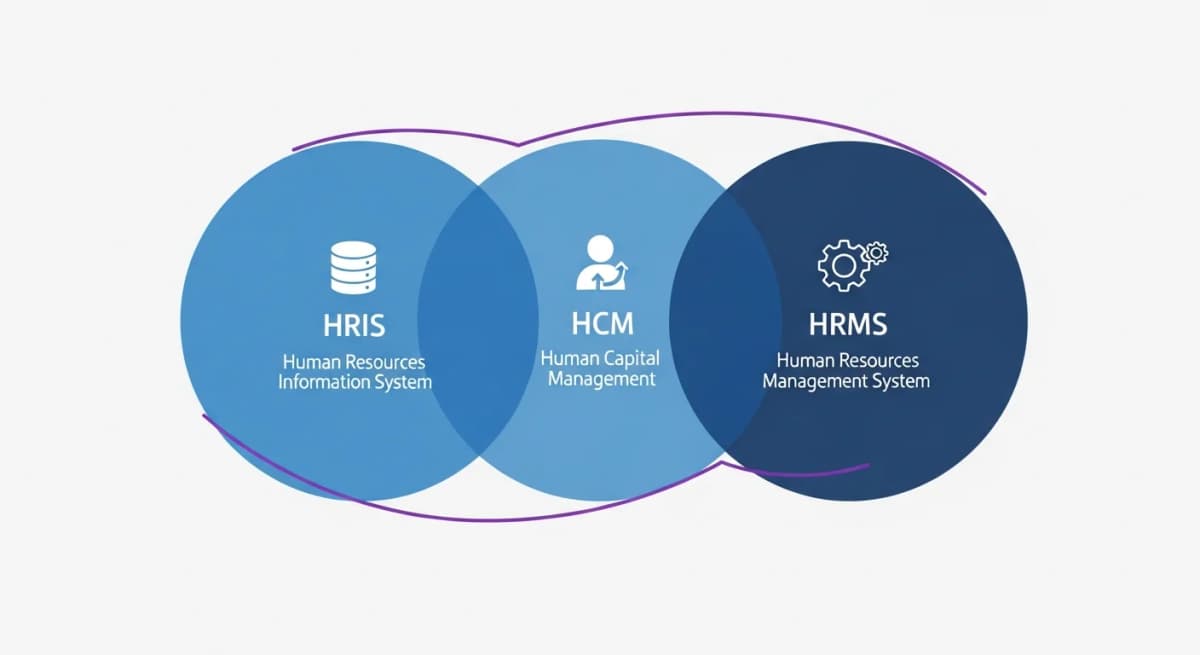
A modern HRIS (Human Resource Information System) centralises employee data, automates workflows, and gives leaders visibility into their most important asset - their people. In 2026, the best HRIS platforms go further with AI-powered insights, predictive analytics, and seamless integration with recruitment and collaboration tools.
Essential HRIS Features for Scaling Teams
Every growing company needs core HRIS capabilities: employee records management, organisational charts, time-off tracking, and document storage. But the features that differentiate great HRIS platforms are the ones that reduce manual work as you scale.
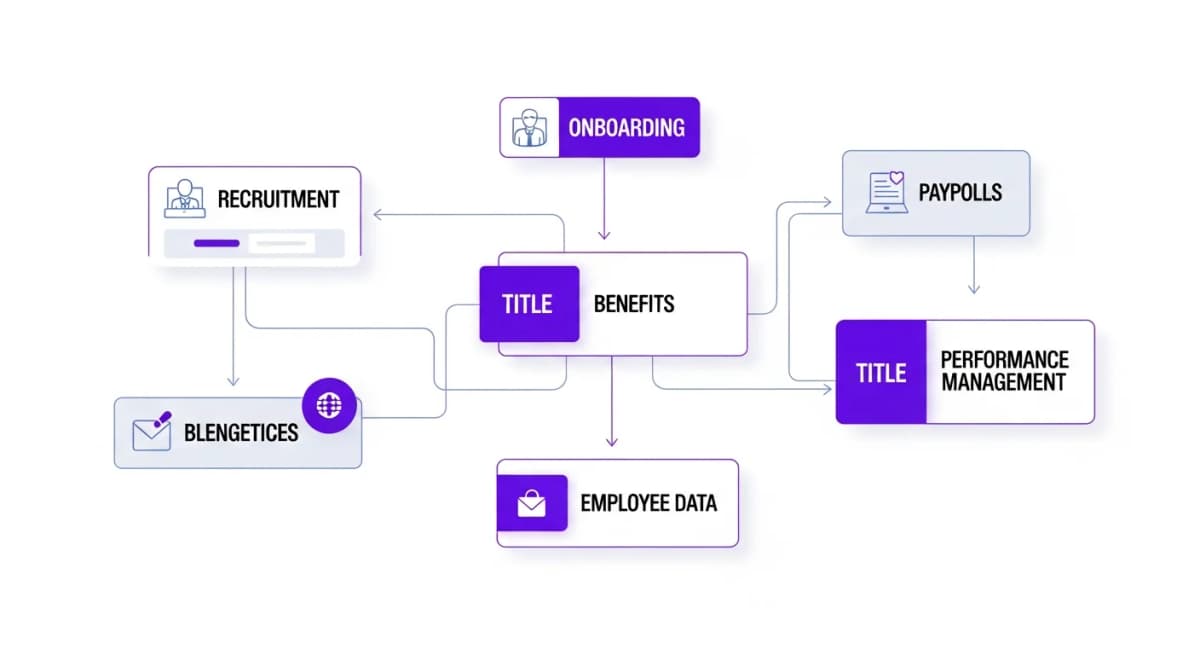
Automated onboarding workflows that trigger document collection, equipment provisioning, and training assignments. Performance management with continuous feedback, goal tracking, and review cycles. Compliance automation that keeps you ahead of changing regulations across jurisdictions.
Self-service portals are non-negotiable. Your HR team shouldn't be answering questions about leave balances or updating addresses manually. The best HRIS platforms empower employees to handle routine tasks themselves.
Top HRIS Platforms Compared
Alexia.ai stands apart by including a complete HRIS as part of its AI-powered operating platform - free for everyone right now during the Launch Offer, then included on the Free plan with pay-as-you-go AI usage afterwards. Employee management, performance tracking, workflow automation, and HR analytics - all built in alongside ATS and team collaboration.
BambooHR is a popular choice for small to mid-sized companies with an intuitive interface and solid core HR features. However, it requires separate tools for recruitment and communication. Gusto combines payroll with basic HR features, making it attractive for small businesses, but it lacks depth for companies scaling past 100 employees.
Rippling offers a comprehensive HR and IT platform with strong automation. Bob (HiBob) targets mid-market companies with culture-focused features. Each excels in different areas but requires additional tools to cover the full employee lifecycle.
The Hidden Cost of Standalone HRIS
Most companies don't realise the true cost of a standalone HRIS until they're deep into it. Beyond the subscription fee - typically $6-$15 per employee per month for mid-tier platforms - there are integration costs, data migration expenses, and the ongoing burden of maintaining connections between your HR system, ATS, payroll, and communication tools.
Data silos are the real killer. When your HRIS doesn't talk to your recruitment system, you're manually transferring new hire data. When it doesn't connect to your collaboration tools, HR announcements and team updates live in separate worlds.
Alexia.ai eliminates this problem by design. Because ATS, HRIS, and collaboration are built into one platform, data flows automatically between hiring, onboarding, people management, and team communication.
Stop reading about AI reporting. Start using it.
See how Alexia.ai automates the exact workflows covered in this article.
AI-Powered HR: The 2026 Advantage
The most significant shift in HRIS technology is the integration of AI across HR workflows. Modern platforms use AI for turnover prediction, compensation benchmarking, skills gap analysis, and automated policy compliance checking.
Alexia.ai's AI layer spans the entire platform, so HR insights are connected to business performance data. Ask questions like "which departments have the highest attrition risk?" or "how does our hiring pace compare to our growth targets?" and get instant, data-driven answers.
Look for HRIS platforms that use AI to augment HR decision-making, not just automate administrative tasks. The best AI-powered HR tools help you understand workforce trends, identify retention risks early, and make smarter people decisions.
Choosing the Right HRIS for Your Stage
Under 50 employees: Focus on ease of setup and core features. Alexia.ai's built-in HRIS (free for everyone during the Launch Offer, then included on the Free plan with pay-as-you-go AI usage) or Gusto's payroll-first approach work well. Avoid over-engineering - you need simplicity now.
50-200 employees: Integration depth and automation become critical. You need performance management, structured onboarding, and reporting. This is where standalone HRIS starts showing limitations and unified platforms like Alexia.ai shine.
200+ employees: Compliance automation, advanced analytics, and multi-location support matter most. Evaluate total cost of ownership including integrations, not just per-seat pricing. The companies that chose unified platforms early spend 40-60% less on HR technology at this stage.

About the Author
Simon Lee
Co-Founder, Teamified
Simon Lee is the co-founder and CEO of Teamified, with deep expertise in cloud architecture, fintech, and SaaS platforms. He leads the vision behind Alexia.ai, designing AI-powered solutions that drive operational efficiency and business growth across global teams.
Connect on LinkedInGet Alexia.ai's Built-In HRIS
Full HRIS built into the Free plan - and unlocked free for everyone right now during the Launch Offer. See the full Launch Offer.