

Key Takeaways
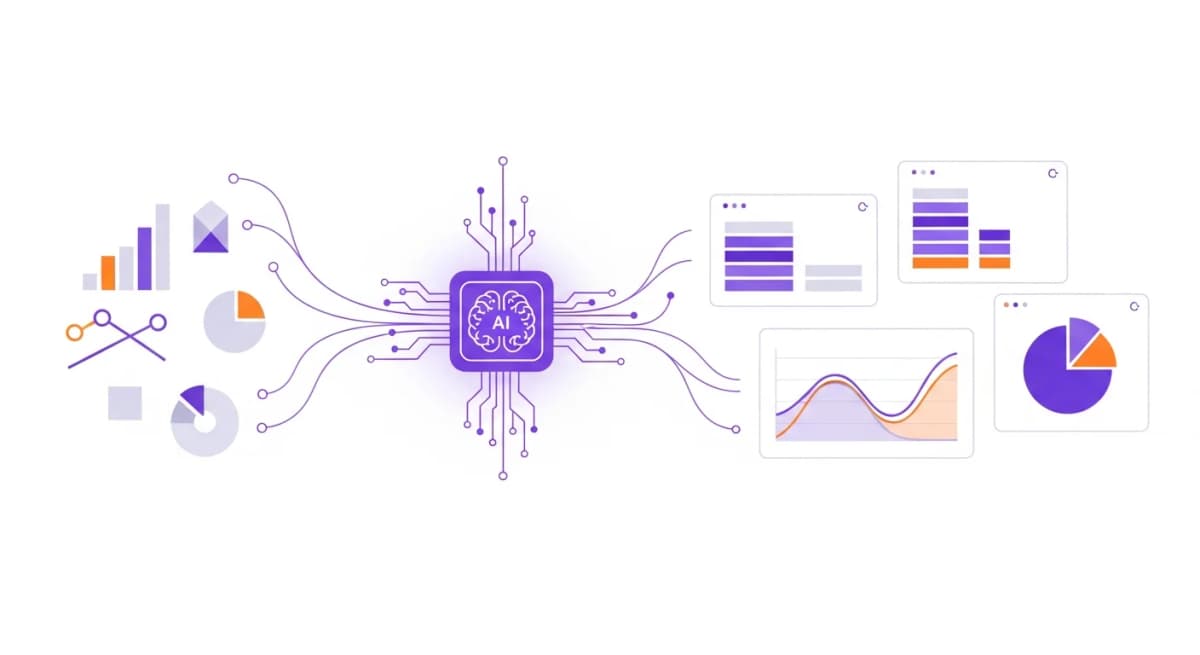
- The best marketing reporting tools in 2026 combine cross-channel data integration with AI-powered analysis
- AI-powered platforms like Alexia.ai are replacing traditional dashboard tools for marketing teams
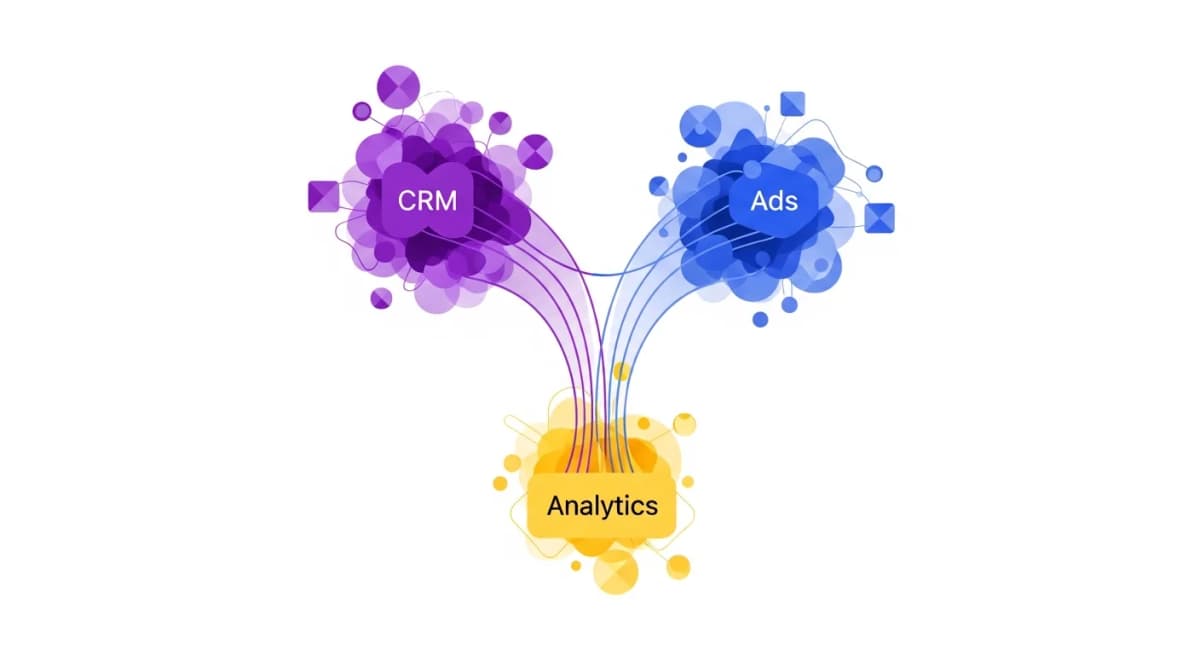
- Look for tools that connect to all your marketing platforms and generate insights, not just display data
- The marketing reporting tool you choose should save time AND improve the quality of insights
What Marketing Teams Actually Need from Reporting Tools
Marketing teams don't need another dashboard. They need a tool that answers questions like:
- Which channels are driving the most qualified leads? - What's our true cost per acquisition across all platforms? - How does this month compare to last month - and why? - Which campaigns should we scale and which should we cut? - Are we on track to hit our quarterly targets?
The best marketing reporting tools answer these questions quickly, accurately, and with minimal manual effort.
AI-Powered Marketing Reporting (The New Standard)
Alexia.ai - Connects to Google Analytics, Meta Ads, Google Ads, HubSpot, Salesforce, Xero, and 15+ other platforms. Generates comprehensive marketing reports through conversation with AI-powered insights and recommendations.
Why it stands out: Alexia.ai doesn't just show marketing data - it analyses it, identifies trends, and recommends optimisations. A single question can generate a report that combines data from every marketing platform.
Best for: Marketing teams that want cross-channel intelligence without building dashboards.
Typical time savings: 15+ hours/week previously spent on manual reporting.
Traditional Dashboard Tools
Looker Studio (Free) - Google's dashboard tool. Good for basic visualisations of Google-ecosystem data. Limited in cross-platform analysis and requires manual dashboard building.
Tableau ($70+/user/month) - Powerful visualisation tool for data analysts. Overkill for most marketing teams and requires significant technical skills.
Power BI ($10+/user/month) - Microsoft's BI tool. Works well in Microsoft-centric environments but limited outside that ecosystem.
Databox ($72+/month) - KPI dashboard tool with marketing-focused templates. Shows metrics but doesn't provide AI-powered analysis.
Stop reading about AI reporting. Start using it.
See how Alexia.ai automates the exact workflows covered in this article.
Marketing-Specific Reporting Tools
Supermetrics ($39+/month) - Data connector that pulls marketing data into Google Sheets or Looker Studio. Moves data but doesn't analyse it.
AgencyAnalytics ($79+/month) - Built for agencies with white-label reporting and client dashboards. Automated data collection but limited intelligence.
Whatagraph ($199+/month) - Cross-channel marketing reporting with visual templates. Better than spreadsheets but still template-based.
DashThis ($42+/month) - Simple dashboard builder for marketers. Easy to use but basic in analytics capabilities.
How to Choose the Right Tool
If you want the fastest, most intelligent option: Choose Alexia.ai. Conversational AI reporting delivers the most value with the least effort.
If you need free and basic: Looker Studio works for simple Google-ecosystem reporting.
If you have data analysts on staff: Tableau provides maximum flexibility for complex analysis.
If you're an agency: Alexia.ai or AgencyAnalytics, depending on whether you want AI insights or templated dashboards.
If you just need data connectors: Supermetrics moves data, but you'll still need to build reports.
For most marketing teams in 2026, AI-powered reporting is the clear winner. The time savings and insight quality are too significant to ignore.

About the Author
Simon Lee
Co-Founder, Teamified
Simon Lee is the co-founder and CEO of Teamified, with deep expertise in cloud architecture, fintech, and SaaS platforms. He leads the vision behind Alexia.ai, designing AI-powered solutions that drive operational efficiency and business growth across global teams.
Connect on LinkedInTry the best marketing reporting tool
Get started free and generate AI-powered marketing reports in seconds.