

Key Takeaways
- AI in business operations goes beyond simple automation - it includes intelligent decision support and predictive analytics
- The highest-ROI use cases are reporting automation, cross-department visibility, and proactive alerting
- Implementation should start with the most time-consuming manual processes, not the most complex ones
- Businesses using AI for operations report 40–60% reduction in time spent on administrative tasks
What AI for Business Operations Actually Means
AI for business operations isn't about replacing your team with robots. It's about giving your team superpowers.
At its core, AI for operations means using artificial intelligence to automate data collection, generate insights, detect anomalies, and support decision-making across every business function. It's the difference between spending your Monday morning building a status report and spending it acting on insights that AI already prepared for you.
The Three Levels of AI in Operations
Level 1: Automation - AI handles repetitive tasks like data collection, report generation, and status updates. This is where most businesses start and where the time savings are most immediate.
Level 2: Intelligence - AI analyses data to surface insights, detect patterns, and identify anomalies. This goes beyond automation into actual intelligence - the AI tells you things you didn't know to ask about.
Level 3: Prediction - AI uses historical data and current trends to forecast outcomes, model scenarios, and recommend actions. This is where AI becomes a true strategic partner in operations.
Where AI Delivers the Biggest Operational Impact
Not all operational processes benefit equally from AI. The highest-ROI areas are:
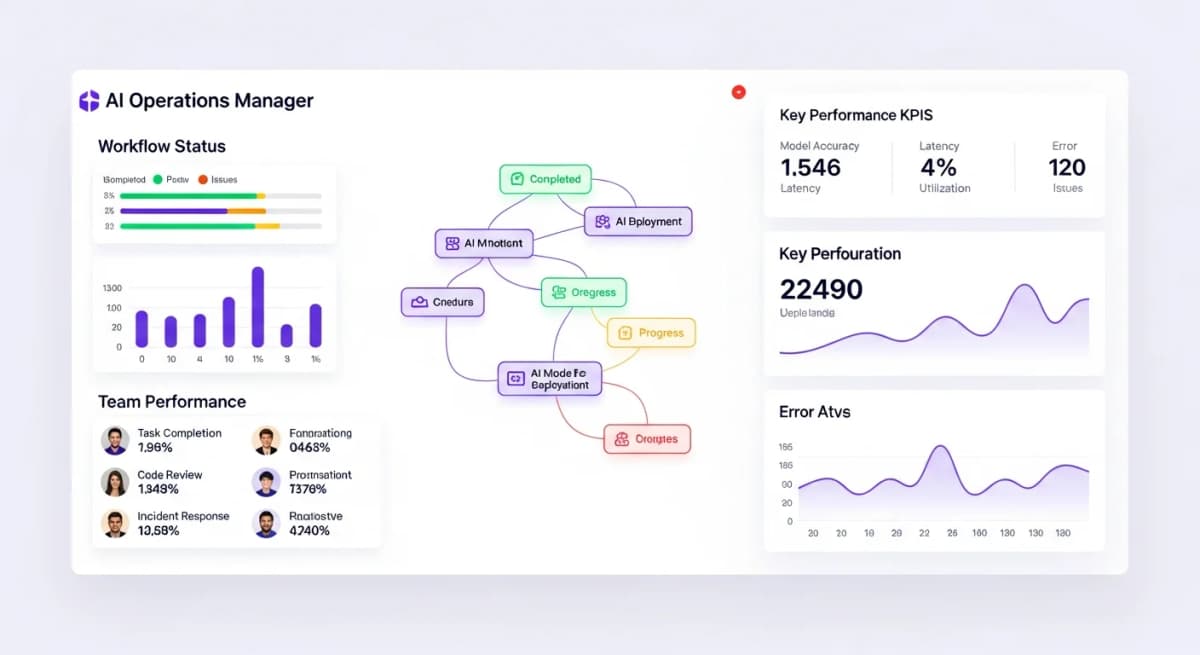
Cross-department reporting - Unifying data from marketing, sales, finance, and operations into a single view. This typically saves 14+ hours per month across the organisation.
KPI monitoring and alerting - Replacing manual dashboard checks with proactive AI alerts when metrics deviate from targets.
Resource allocation - AI analysis of workload distribution, capacity planning, and resource utilisation across teams.
Process efficiency - Identifying bottlenecks, redundancies, and optimisation opportunities in operational workflows.
Vendor and supply chain management - Monitoring supplier performance, cost trends, and delivery reliability.
Implementation Roadmap
The most successful AI implementations in operations follow a crawl-walk-run approach:
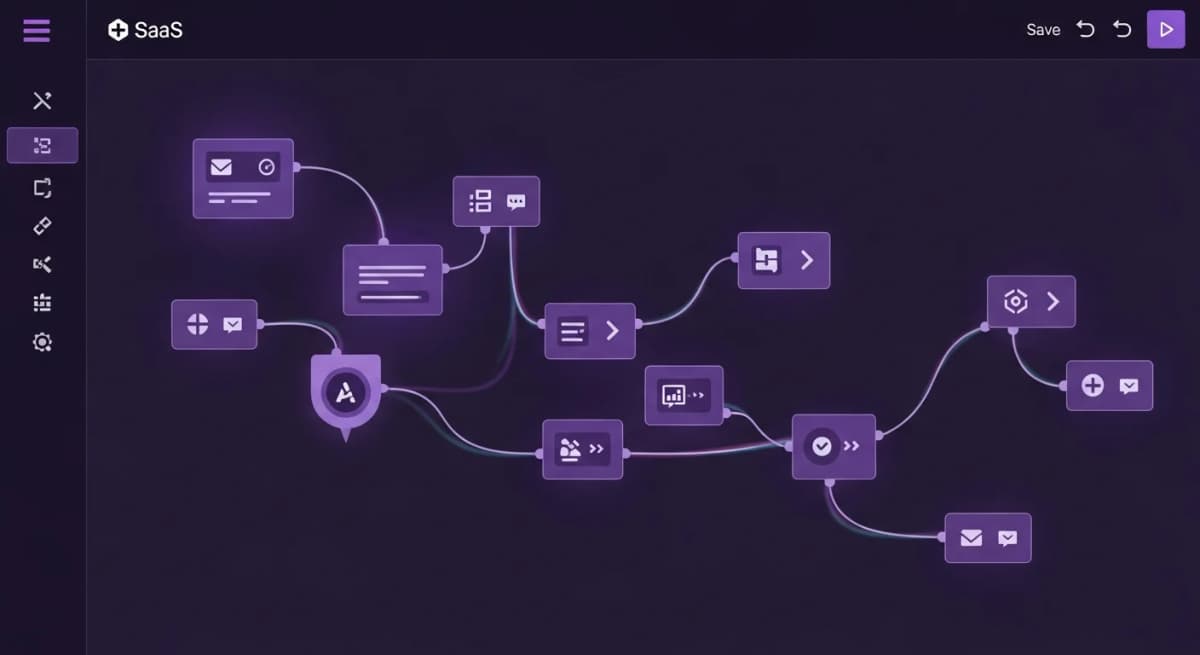
Month 1: Connect and automate - Connect your core business tools (CRM, accounting, project management) to an AI platform. Automate your most time-consuming recurring reports.
Month 2: Monitor and alert - Set up KPI tracking and anomaly detection. Define thresholds for your most critical metrics.
Month 3: Analyse and optimise - Use AI insights to identify process improvements. Start using cross-functional data to make better decisions.
Ongoing: Predict and strategise - Leverage AI forecasting for planning, budgeting, and strategic decision-making.
Stop reading about AI reporting. Start using it.
See how Alexia.ai automates the exact workflows covered in this article.
Common Mistakes to Avoid
Starting too complex - Don't try to automate your most complex process first. Start with the simplest, most time-consuming task and build from there.
Ignoring change management - Even simple AI tools require team buy-in. Show quick wins early to build momentum.
Over-customising - The best AI tools work out of the box. If a tool requires weeks of customisation before it's useful, it's probably not the right tool.
Not measuring ROI - Track the time saved and decisions improved from day one. This data justifies expansion and builds organisational support.
Getting Started Today
The barrier to entry for AI in business operations has never been lower. Platforms like Alexia.ai connect to your existing tools in minutes and start delivering value immediately.
You don't need a data team, a months-long implementation project, or a six-figure budget. You need a platform that understands your business data and can answer your questions.
Start with one report you currently build manually. Automate it with AI. Then expand from there.

About the Author
Simon Jones
Co-Founder, Teamified
Simon Jones is the co-founder and CTO of Teamified, bringing decades of experience in technology, system architecture, and business transformation. He oversees the technical direction of Alexia.ai, ensuring the platform delivers enterprise-grade automation and intelligence.
Connect on LinkedInStart automating your operations
Connect your business tools and get AI-powered operations insights in minutes.