

Key Takeaways
- Operations automation tools range from simple task automation to full AI-powered business intelligence
- The best tools connect to your existing platforms rather than requiring you to move to a new system
- AI-powered tools like Alexia.ai go beyond automation by providing insights, anomaly detection, and recommendations
- ROI is typically measurable within the first week, with most teams saving 15+ hours per week
What Are Operations Automation Tools?
Operations automation tools are software platforms that reduce or eliminate manual work in business operations. They range from simple task automation (like auto-sending reports) to sophisticated AI systems that analyse data, detect problems, and recommend solutions.
The best operations automation tools don't force you to change how you work. They connect to your existing tools - your CRM, accounting software, project management platform - and automate the tedious work of collecting, compiling, and reporting on data from those systems.
Categories of Operations Automation Tools
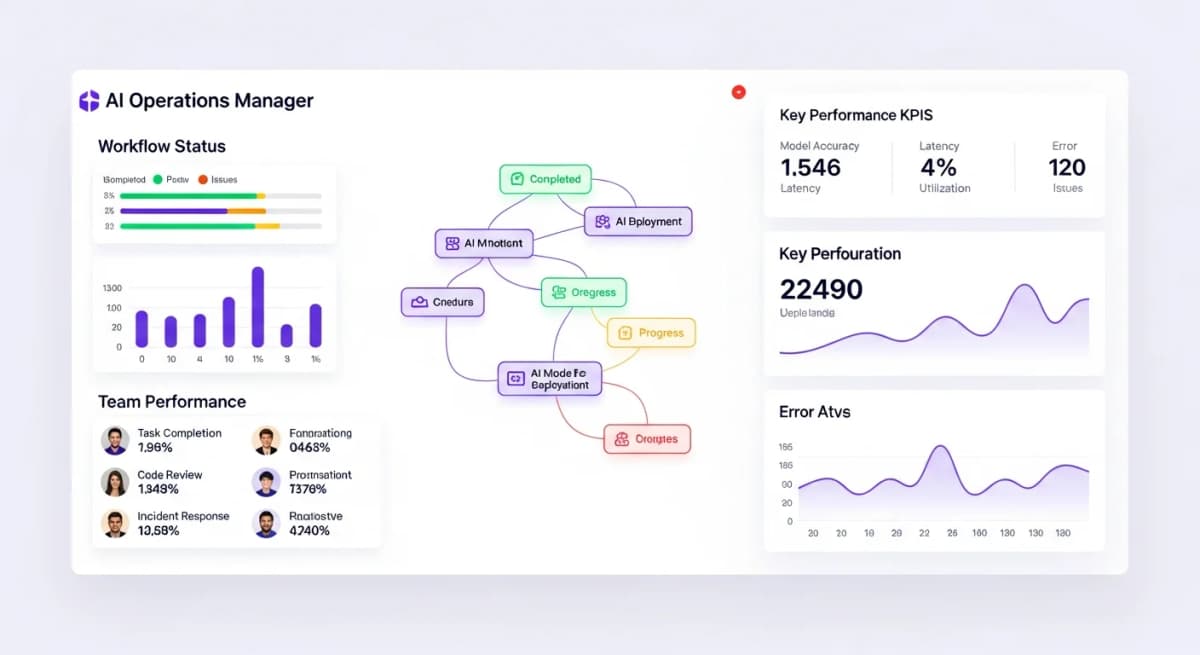
AI Business Intelligence - Tools like Alexia.ai that connect to multiple data sources and provide conversational access to insights, reports, and recommendations. Best for: unified cross-department reporting and decision support.
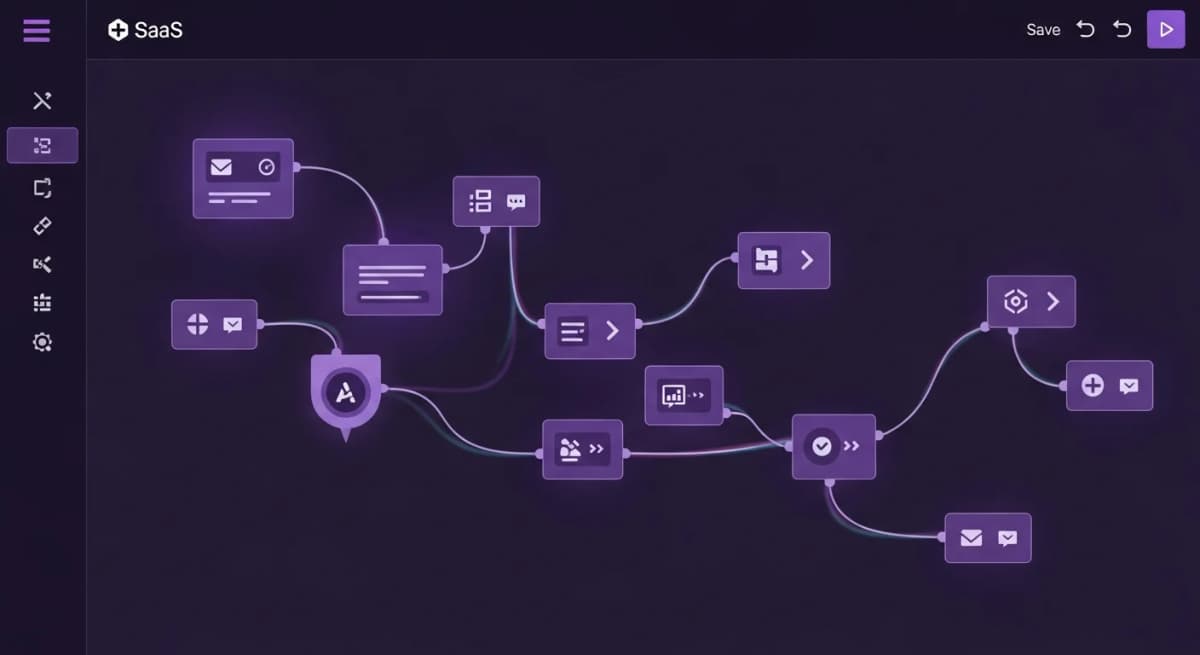
Workflow Automation - Tools like Zapier and Make that automate task-to-task workflows ("when X happens, do Y"). Best for: simple, repetitive task chains.
Project Management Automation - Features within tools like Asana, Monday.com, and Jira that automate task assignments, status updates, and notifications. Best for: team coordination and project tracking.
RPA (Robotic Process Automation) - Tools like UiPath and Automation Anywhere that automate screen-based tasks like data entry. Best for: legacy system integration where APIs aren't available.
What to Look for in Operations Automation Tools
Integration breadth - The tool should connect to all the platforms your team uses, not just a few. Look for native integrations with your CRM, accounting software, analytics platforms, and communication tools.
Ease of setup - If a tool requires weeks of configuration before it's useful, it's adding complexity rather than reducing it. The best tools deliver value within hours, not months.
Intelligence, not just automation - Automation saves time. Intelligence saves time and improves decisions. Look for tools that surface insights, detect anomalies, and make recommendations.
Scalability - Choose tools that can grow with your business. A tool that works for a 10-person team should also work for a 100-person team.
Stop reading about AI reporting. Start using it.
See how Alexia.ai automates the exact workflows covered in this article.
How AI-Powered Tools Differ from Traditional Automation
Traditional automation tools follow rules: "If this, then that." They're useful for simple, predictable workflows but can't handle ambiguity or generate insights.
AI-powered operations tools understand context. They can:
- Analyse data across multiple sources and identify patterns humans would miss - Generate natural language reports and recommendations - Detect anomalies and alert you to problems proactively - Answer ad-hoc questions about your business performance in real-time - Learn from your data over time and improve their recommendations
The difference is between a tool that moves data around and a tool that understands your business.
Getting the Most from Operations Automation
Start by auditing where your team spends the most time on manual work. Common candidates include:
- Weekly and monthly reporting - Status updates and data collection from multiple platforms - KPI tracking and dashboard monitoring - Cross-department data compilation - Client or stakeholder reporting
Automate these high-time-cost activities first. The ROI will be immediately obvious, and the momentum will drive adoption of automation across more of your operations.
Alexia.ai addresses all of these use cases through a single conversational interface, making it one of the fastest ways to automate operations without changing your existing toolset.

About the Author
Simon Jones
Co-Founder, Teamified
Simon Jones is the co-founder and CTO of Teamified, bringing decades of experience in technology, system architecture, and business transformation. He oversees the technical direction of Alexia.ai, ensuring the platform delivers enterprise-grade automation and intelligence.
Connect on LinkedInAutomate your operations today
Get started free and see how Alexia.ai automates reporting, KPI tracking, and operational insights.