
Key Takeaways
- Sales teams lose hours weekly to manual CRM reporting and pipeline status updates
- AI sales dashboards automatically track pipeline health, deal velocity, and revenue forecasts
- Connecting CRM data with marketing and finance data reveals the full customer acquisition picture
- Automated sales reporting ensures leadership has real-time visibility without disrupting the sales team
Why Sales Reporting Needs Automation
Sales teams live and die by their numbers, but the process of tracking those numbers is broken. Sales managers spend hours every week pulling pipeline data from CRM systems, comparing it to targets, building forecast spreadsheets, and presenting updates to leadership.
This isn't just a time problem - it's a data freshness problem. By the time a manual pipeline report is assembled and presented, the data is already outdated. Deals have moved, new opportunities have appeared, and the forecast has shifted.
Sales dashboard automation ensures your pipeline data is always current and always accessible.
What Sales Dashboard Automation Covers
Automated sales dashboards should cover the full sales operation:
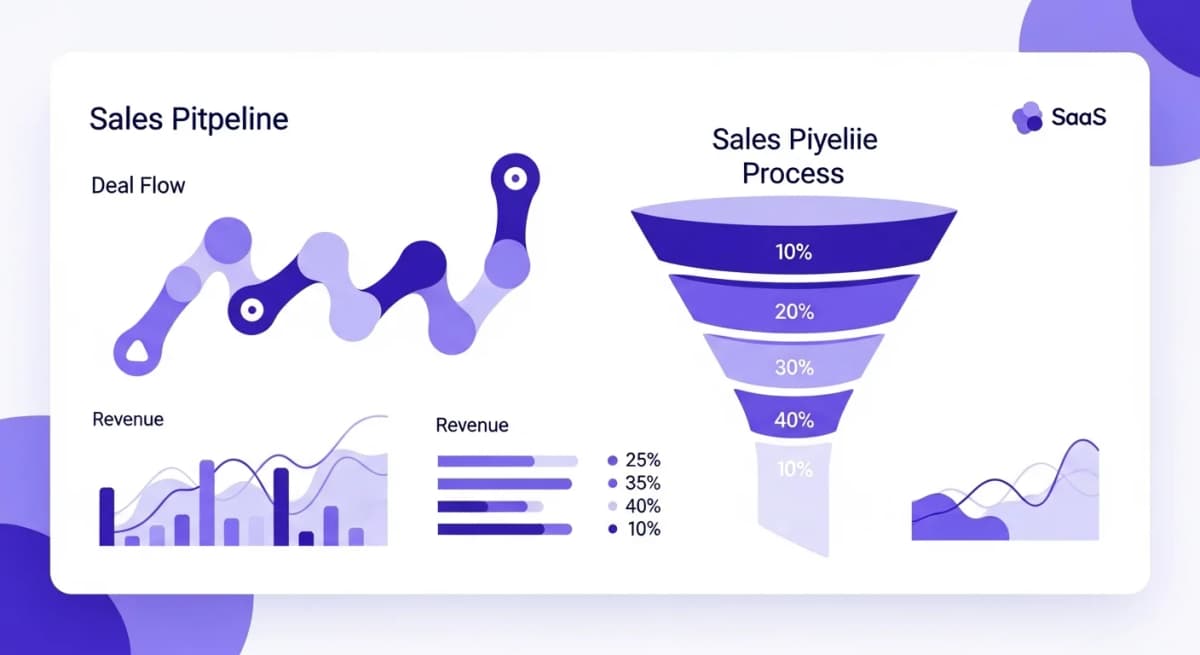
Pipeline overview - Total pipeline value, deal count, and stage distribution updated in real time Deal tracking - Individual deal progress, next steps, and risk indicators Revenue forecasting - AI-powered forecast based on pipeline stage, deal velocity, and historical close rates Activity metrics - Calls, emails, meetings, and task completion rates by rep Conversion analysis - Stage-by-stage conversion rates with trend indicators Goal tracking - Quota attainment by rep, team, and company with pacing alerts
CRM Reporting with AI
Traditional CRM reporting means navigating to the reports section of HubSpot or Salesforce, configuring filters, and exporting data. AI-powered CRM reporting works differently:
Ask questions, get answers: - "What's our pipeline value this quarter?" - "Which deals are at risk of slipping?" - "How is the sales team tracking against quota?" - "Compare this quarter's pipeline to last quarter" - "Which rep has the highest conversion rate from demo to close?"
Each question pulls live data from your CRM and returns a structured answer with context, comparisons, and recommendations.
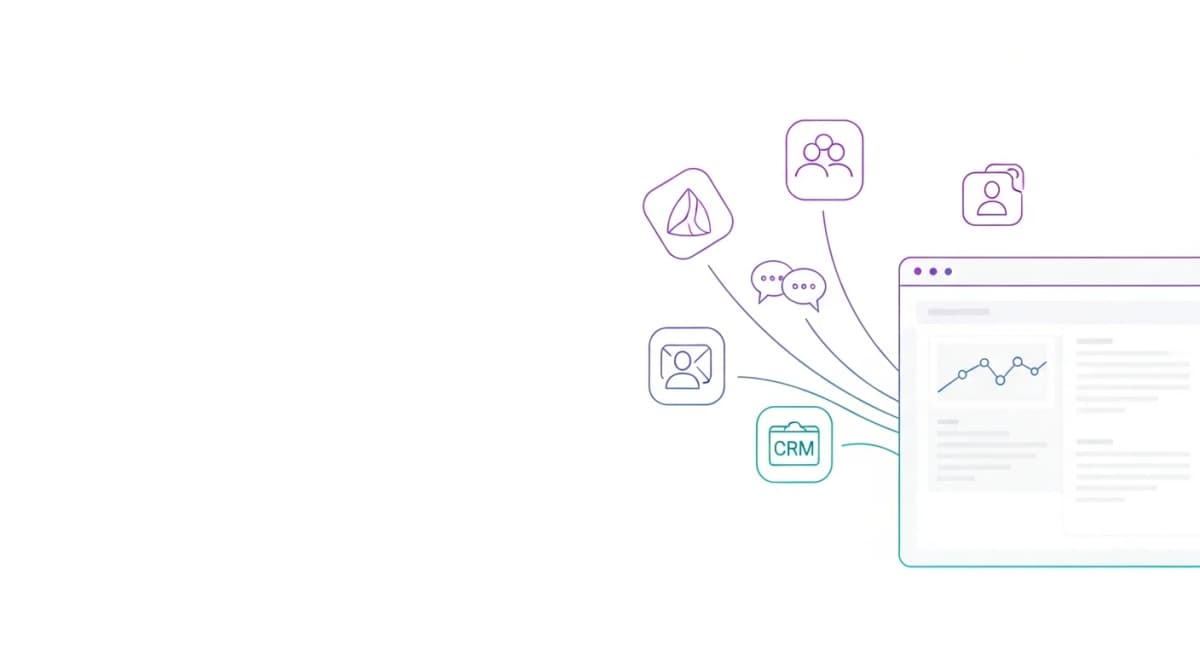
Cross-platform insights: Combine CRM data with marketing data to understand lead quality by source. Combine with financial data to track actual revenue against pipeline forecasts. Combine with communication data to monitor team activity.
Stop reading about AI reporting. Start using it.
See how Alexia.ai automates the exact workflows covered in this article.
Connecting Sales to the Bigger Picture
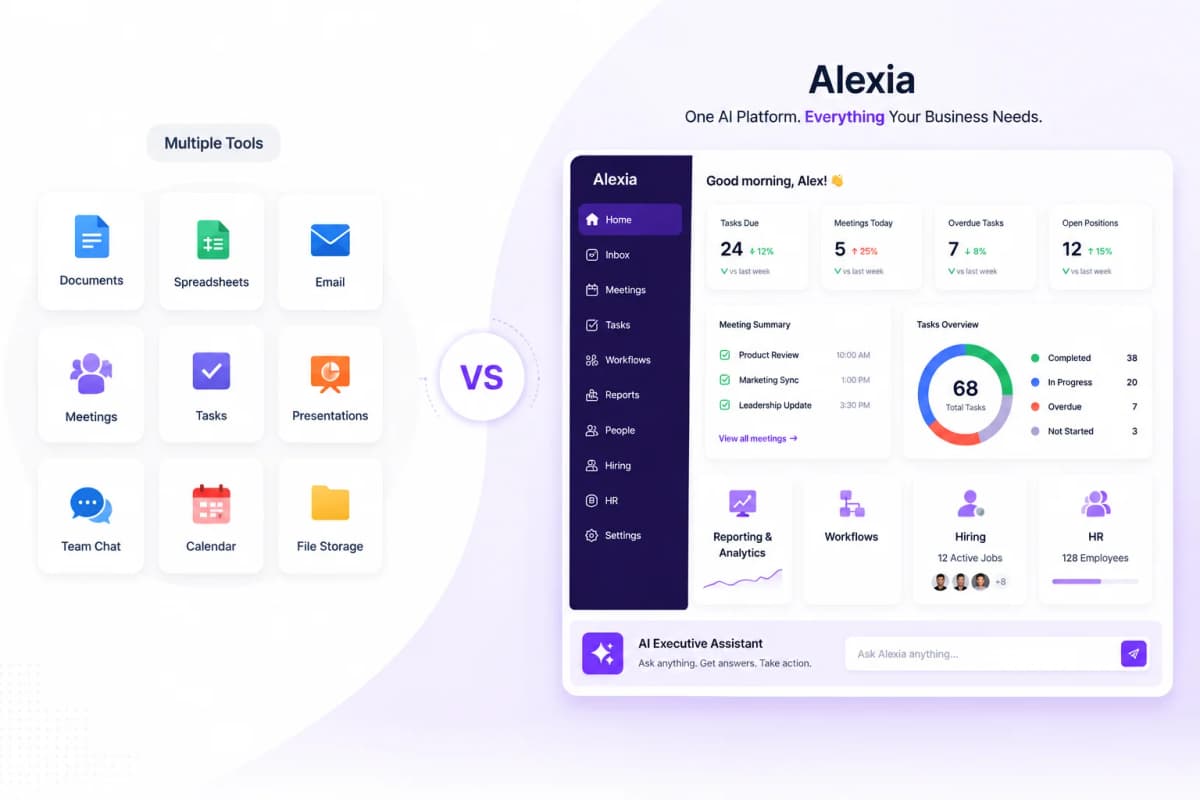
The most valuable sales reports don't exist in a CRM vacuum. They connect sales performance to marketing activities, financial outcomes, and operational goals.
With Alexia.ai, you can ask questions that span your entire business:
- "How does our marketing spend correlate with pipeline growth?" (CRM + Ad platforms) - "What's our true customer acquisition cost?" (CRM + Ads + Finance) - "Which marketing campaigns generated the most revenue?" (CRM + Marketing + Finance)
These cross-functional insights are nearly impossible to generate manually but take seconds with AI.
Getting Started with Sales Dashboard Automation
Connect your CRM (HubSpot or Salesforce) to Alexia.ai first. This gives you immediate access to pipeline data, deal tracking, and sales metrics through natural language.
Then add your ad platforms and financial tools to unlock cross-functional insights. Set up sales goals and quotas in Alexia.ai's goal tracking system for proactive monitoring.
Within a day, your sales leadership will have real-time access to every pipeline metric without opening the CRM.

About the Author
Simon Jones
Co-Founder, Teamified
Simon Jones is the co-founder and CTO of Teamified, bringing decades of experience in technology, system architecture, and business transformation. He oversees the technical direction of Alexia.ai, ensuring the platform delivers enterprise-grade automation and intelligence.
Connect on LinkedInAutomate your sales dashboards
Connect HubSpot or Salesforce and start generating sales reports instantly.