
Key Takeaways
- Manual dashboard maintenance costs teams 100+ hours per month across data collection and formatting
- True dashboard automation includes proactive alerts, real-time syncing, and conversational data access
- AI dashboard generators eliminate the need for technical setup or BI tool expertise
- Automated dashboards deliver faster decisions by keeping data current without human intervention
The Hidden Cost of Manual Dashboards
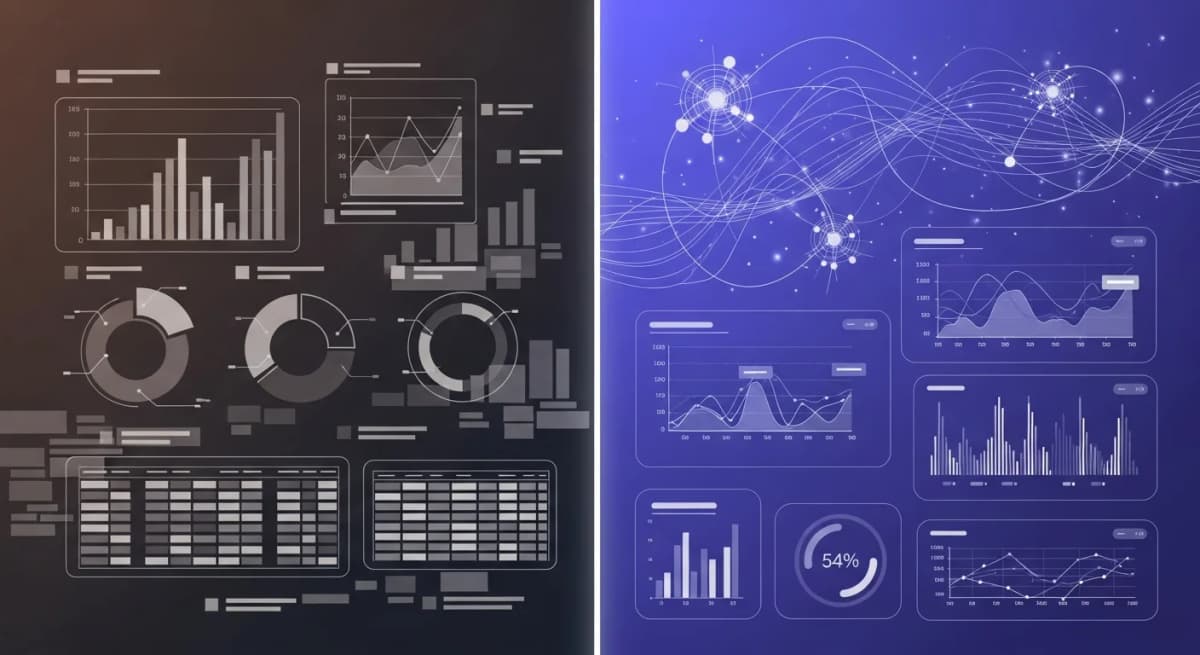
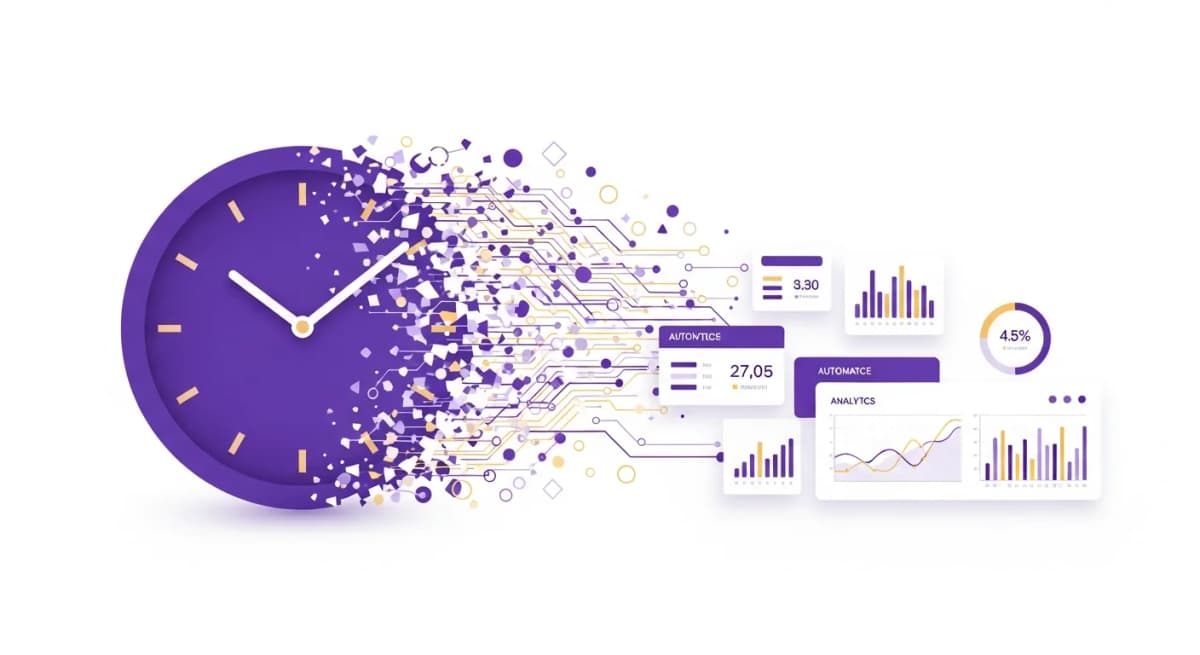
Most teams don't realise how much time they spend maintaining dashboards. It's not just the initial setup - it's the daily ritual of logging in, refreshing data, checking for anomalies, and updating stakeholders. Across a team of five, this easily adds up to 100+ hours per month.
Dashboard automation software eliminates this overhead by connecting directly to your data sources and keeping everything updated in real time. No more morning data collection routines. No more stale numbers in yesterday's spreadsheet.
What Dashboard Automation Actually Looks Like
True dashboard automation goes beyond auto-refreshing charts. It means:
Automatic data collection - Your CRM, analytics, ad platforms, and accounting tools feed data into one unified view without any manual exports.
Proactive alerts - Instead of checking dashboards, the dashboard checks on you. When a KPI drops below threshold or a campaign starts underperforming, you get notified instantly.
Conversational access - Rather than navigating to a dashboard URL and hunting for the right chart, you ask a question and get the answer. "What's our conversion rate this week?" gets a direct response with context.
Real Time Reporting: Why It Matters
The difference between real-time and batch reporting isn't just speed - it's decision quality. When you're working with data that's 24 hours old, you're always one step behind.
Real-time reporting software like Alexia.ai pulls live data from your connected platforms every time you ask a question. Your marketing spend numbers are from right now. Your pipeline value reflects today's deals. Your email metrics are current.
This means faster reactions to problems, quicker capitalisation on opportunities, and more confident decision-making across the board.
Stop reading about AI reporting. Start using it.
See how Alexia.ai automates the exact workflows covered in this article.
How Alexia.ai Automates Your Dashboards
Alexia.ai takes a different approach to dashboards. Instead of building static views that need maintenance, Alexia.ai generates dynamic answers to your questions using data from all your connected tools.
Ask "How is marketing performing this week?" and Alexia.ai pulls data from Google Analytics, Meta Ads, HubSpot, and Google Ads to give you a comprehensive answer with trends, comparisons, and recommendations. It's like having a dashboard that builds itself on demand.
The result? Teams using Alexia.ai report saving 14+ hours per month on reporting alone - and that's just one department.
Getting Started with Dashboard Automation
The biggest barrier to dashboard automation isn't technology - it's the belief that your current process is "good enough." If anyone on your team is manually exporting data, building spreadsheets, or copy-pasting numbers between tools, there's a better way.
Start by identifying your most time-consuming reporting tasks. Then connect those data sources to an AI-powered platform like Alexia.ai. Most teams are fully automated within a day.

About the Author
Simon Jones
Co-Founder, Teamified
Simon Jones is the co-founder and CTO of Teamified, bringing decades of experience in technology, system architecture, and business transformation. He oversees the technical direction of Alexia.ai, ensuring the platform delivers enterprise-grade automation and intelligence.
Connect on LinkedInTry Alexia.ai free
Connect your tools and start generating automated dashboards in minutes.